
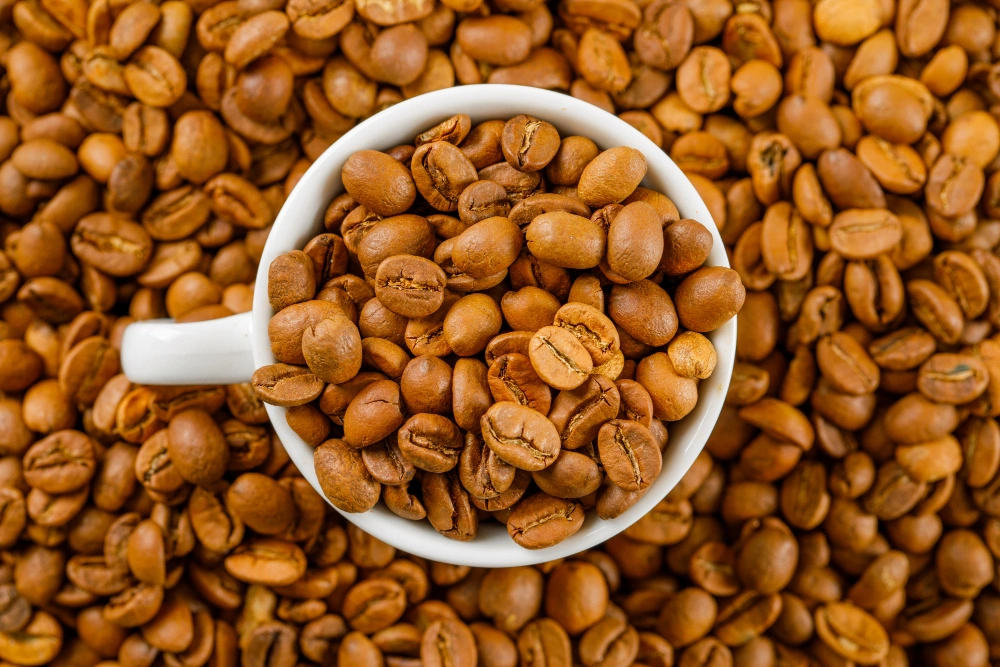
When it comes to crafting an extraordinary cup of coffee, altitude isn't just a geographic detail—it's a defining factor. The elevation at which coffee grows has a dramatic impact on its chemical composition, ultimately influencing taste, aroma, acidity, and body. This isn’t marketing fluff; it’s backed by solid agronomic science and decades of sensory research.
☕ High Altitude = High Quality
Above 1,200 meters (approx. 4,000 feet), coffee cherries mature slowly due to cooler temperatures. This extended ripening period allows for a more complex development of sugars and acids. What does this mean in the cup? Expect vibrant, nuanced flavors—think jasmine, bergamot, lemon zest, or even tropical fruits—paired with bright acidity and a clean, crisp finish.
One standout example: Ethiopian Yirgacheffe, grown at elevations between 1,800–2,200 meters, consistently delights with floral aromatics and citrusy brightness. These beans are dense, structurally robust, and rich in flavor precursors due to their slow maturation. In the cup, they often reveal a tea-like body, layered complexity, and sparkling acidity that sets them apart from lower-grown counterparts.
🌿 Low Altitude = Earthier, Stronger Notes
In contrast, coffee grown below 900 meters tends to ripen too quickly. The result? Less sugar accumulation, reduced acidity, and simpler, often earthier flavor profiles. These coffees tend to have more body but lack the aromatic finesse of their highland counterparts. Robusta, commonly grown at these lower altitudes, is known for its bold, bitter character—excellent for crema in espresso but not often sipped solo. Robusta also contains higher levels of chlorogenic acids and caffeine, giving it a sharp, sometimes rubbery aftertaste.
🔍 Altitude and Processing Interplay
Interestingly, altitude doesn't act in isolation. The method of processing—washed, natural, or honey—interacts closely with altitude to influence the final cup. High-altitude washed coffees are often described as "clean," "bright," and "refined," while natural processed beans from the same elevation may bring out wild berry notes and syrupy bodies. This synergy makes highland micro-lots particularly prized in competitions and auctions.
📚 Scientific Evidence
A 2016 study in Food Research International confirmed that elevation significantly alters concentrations of chlorogenic acids, lipids, and volatile aroma compounds in coffee beans. Higher elevations tend to enhance compounds associated with fruity and floral notes, while lower elevations are linked to more bitter and less complex profiles. These findings validate the industry’s emphasis on altitude as a key quality indicator.
In specialty coffee, altitude isn’t just data—it’s a promise. Look for origin and elevation details on premium bags; they signal the potential for a truly exceptional brew. Many producers now even categorize their offerings by elevation tiers, with premiums often attached to “high-grown” or “strictly high-grown” coffees.
Comments