
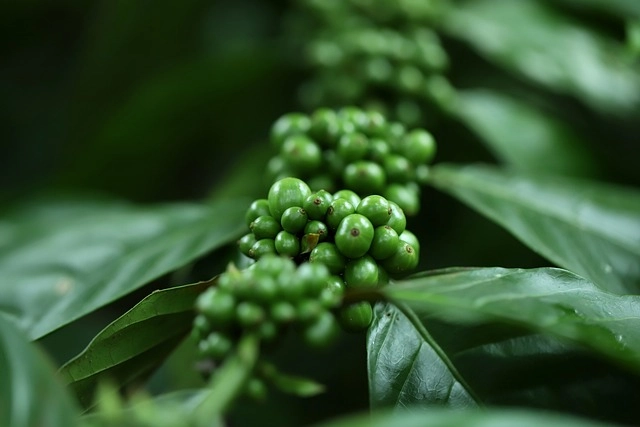
Organic Coffee Farming: Growing Quality with Care 🌿☕
Organic coffee farming emphasizes growing coffee without synthetic pesticides or fertilizers, promoting healthier ecosystems and higher-quality beans. This method respects natural cycles and fosters biodiversity, supporting both the environment and farming communities.
Why Choose Organic? 🌎
Organic farming reduces harmful chemicals that can damage soil and water. It enhances soil fertility through natural composting and crop rotation, helping coffee plants grow stronger and more resilient.
Farmers who practice organic methods often produce coffee with distinct, vibrant flavors due to the healthier soil and slower maturation.
Common Organic Farming Practices 🚜
- Use of natural compost and green manure
- Crop diversification to prevent pests and diseases
- Shade-grown cultivation protecting native flora and fauna
- Avoidance of synthetic chemicals
Challenges and Rewards ⚖️
Organic farming can be more labor-intensive and costly, requiring careful management. Yields may be lower initially, but the long-term benefits include sustainable land use and often premium market prices.
Impact on Taste and Quality ☕️
Organic coffee frequently exhibits clean, bright flavor profiles with nuanced complexity. Many specialty coffee roasters prefer organic beans for their consistent quality and environmental ethics.
Final Thought 🌱
Choosing organic coffee supports a healthier planet and better coffee. Each sip becomes a celebration of nature’s balance and human care.
Comments